Valerian for Sleep: What the Research Shows
Does valerian for sleep work? A review of 2020 to 2026 umbrella reviews and trials on sleep onset, insomnia, safety and rare liver risks.

Valerian for sleep is one of the oldest herbal sleep remedies still on pharmacy shelves, and the research on it is a good example of how the same herb can look helpful in one review and useless in another. This guide goes through the latest umbrella reviews and trials, including a narrative review published this week, to show what valerian root seems to do, what it does not, and what to know about safety.
⚕️ Medical Disclaimer
This article is general information, not medical advice. Long-term sleep problems can have medical causes, so talk to your doctor if you have trouble sleeping for more than a few weeks. Ask a doctor or pharmacist before taking valerian if you are pregnant or breastfeeding, have liver disease, take sedatives, sleeping pills or other regular medicines, or are planning surgery.
The short version
- A 2024 umbrella review of eight systematic reviews found a good safety profile but no evidence that valerian works for insomnia. It may improve how people rate their sleep, but not measured sleep.
- A 2023 umbrella review of alternative insomnia treatments found that valerian did not significantly improve sleep outcomes, while melatonin did reduce the time to fall asleep.
- A 2020 meta-analysis of 60 studies was more positive and suggested that whole root products and consistent extracts may explain the mixed results.
- A November 2026 narrative review found minimal, inconsistent effects on subjective sleep quality and no consistent effects on objective sleep onset or total sleep time.
- Valerian has been linked to rare cases of clinically apparent liver injury, according to the US LiverTox database.
What is valerian root?
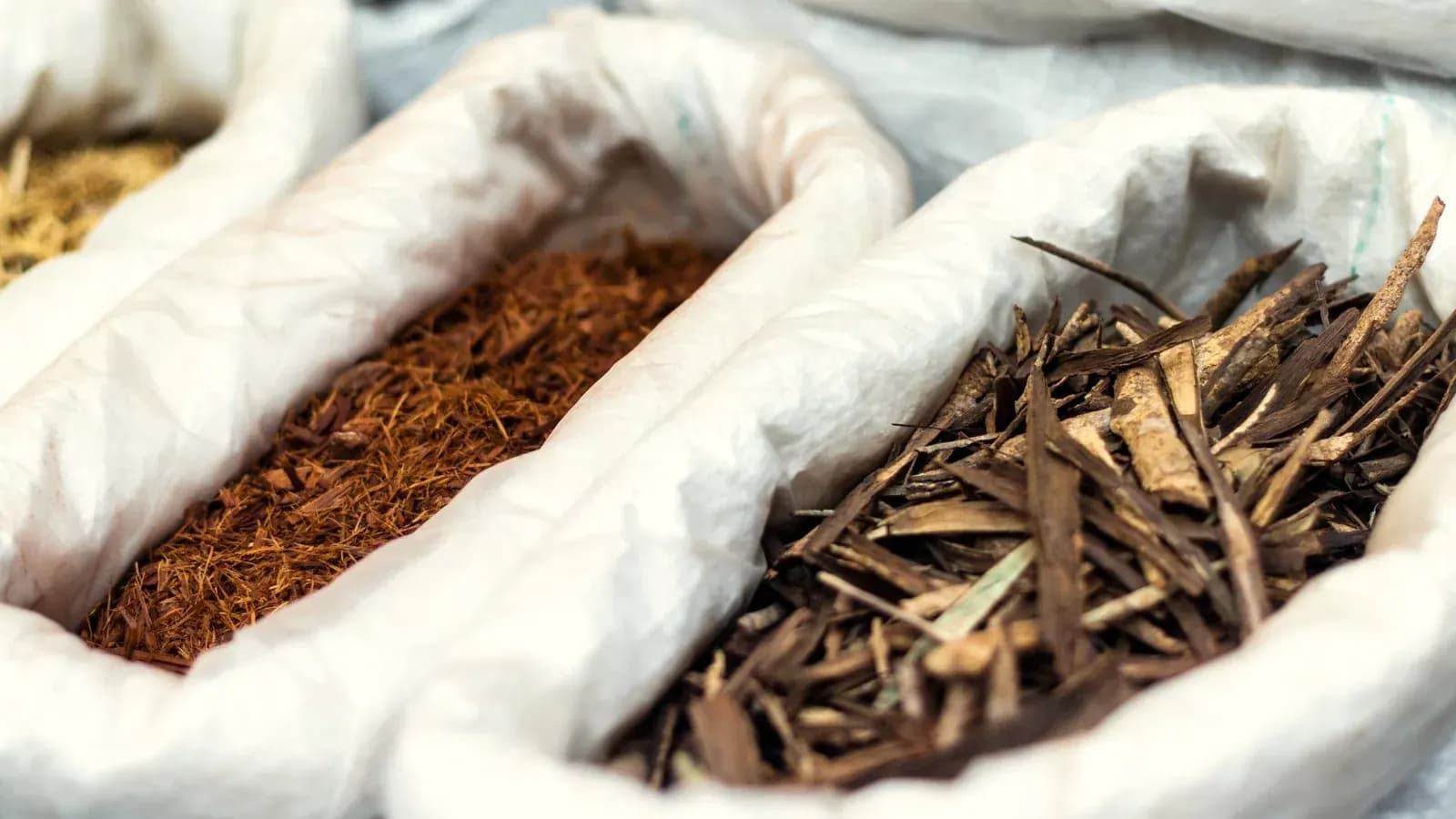
Valerian, Valeriana officinalis, is a flowering plant whose root and rhizome have been used since antiquity as a sedative. Supplements come as capsules, tablets, tinctures and teas, often combined with hops, lemon balm or passionflower. Its proposed effects involve the brain's GABA system, but the products contain many compounds that vary from batch to batch, which is one reason the evidence is so inconsistent.

Does valerian help you fall asleep? What the umbrella reviews say
An umbrella review is a review of reviews, so it shows what the best summaries of the evidence conclude. Two recent ones looked at valerian.
The 2024 umbrella review by Valente and colleagues in European Neuropsychopharmacology searched six databases, found 70 records and included eight systematic reviews. Its conclusion was blunt. Valerian appears to have a good safety profile, but the reviews showed no evidence of efficacy for insomnia. Valerian seemed to improve subjective sleep quality, meaning how people rated their own sleep, but this was not backed up by quantitative or objective measurements. The authors noted that the underlying studies were few, varied a lot and were of low methodological quality.
A 2023 umbrella review of alternative insomnia treatments by Ell and colleagues in the Journal of Sleep Research included 15 reviews. It found that acupuncture and mind-body exercises improved sleep quality and insomnia severity, and that melatonin reduced both self-reported and measured time to fall asleep. Valerian and light exposure did not significantly improve sleep outcomes. The authors rated the overall quality of the studies as low.
If you want to compare, our guides on melatonin for sleep and chamomile for sleep cover two other popular options.
Why the evidence looks so different from one review to another
A 2020 systematic review and meta-analysis by Shinjyo, Waddell and Green in the Journal of Evidence-Based Integrative Medicine reached a more positive view. It included 60 studies with 6,894 participants and ran meta-analyses for subjective sleep quality (10 studies, 1,065 people) and anxiety (8 studies, 535 people). The authors argued that the inconsistent results of earlier trials may be due to the variable quality of herbal extracts, that more reliable effects could be expected from the whole root and rhizome, and that benefits might improve when valerian is combined with suitable herbal partners. They found no severe adverse events in people aged 7 to 80, and concluded that valerian could be a safe and effective herb, while calling for better quality control and standardisation.
Both readings can be partly right. The newer umbrella reviews are stricter about study quality and objective outcomes, while the 2020 review explains why results might vary. The honest summary is that if valerian helps, the effect is small, unreliable across products and mostly about how rested people feel.
The newest evidence: a November 2026 review and a valerian-hops trial
A narrative review published in Sleep and Breathing on 24 November 2026 synthesised the evidence for valerian, German chamomile and lavender in adults with insomnia or sleep disturbance. It searched Scopus and PubMed up to 30 June 2026 and prioritised randomised trials, systematic reviews, meta-analyses and guidelines. It did not run its own meta-analysis or formal risk-of-bias assessment. For valerian, it reported minimal and inconsistent effects on subjective sleep quality, no consistent effects on objective sleep latency or total sleep time, and a low-quality evidence base.
A 2025 randomised feasibility trial in Brain and Behavior tested a valerian and hops extract called Ze 91019 in 40 people with occasional sleep problems, over a 21-day treatment period after a 21-day run-in. In exploratory analyses, sleep duration measured with a Fitbit tracker rose by 21.7 minutes a day more than with placebo (p = 0.019), and the shortest night was 48.7 minutes longer. There were no significant effects on daytime thinking or mood measures, and the product was well tolerated. This was a small feasibility study, the analyses were exploratory, and some authors work for the manufacturer, so it is a signal worth testing, not proof.
Safety: is valerian safe?
Across the reviews, valerian is generally well tolerated. The 2020 meta-analysis found no severe adverse events in the included studies. Still, safety is not the same as no risk. The US LiverTox database, run by the National Institute of Diabetes and Digestive and Kidney Diseases, says valerian has been linked to rare instances of clinically apparent liver injury. If you develop dark urine, yellow skin or eyes, severe tiredness or stomach pain while taking it, stop and get medical help.
Because valerian is used as a sedative, it is sensible to check with a pharmacist before combining it with alcohol, sleeping pills, anxiety medicines or other sedating products. Our review of alcohol and sleep explains why even a nightcap can make sleep worse.

What to do if you cannot sleep
- Treat insomnia that lasts weeks as a medical issue. Cognitive behavioural therapy for insomnia is the recommended first-line treatment, and our guide to CBT for insomnia explains what it involves.
- Fix the basics first: a regular wake time, morning light and a cooler dark bedroom. See our guide to improving sleep quality naturally.
- If you still want to try valerian, treat it as a short trial, choose a product from a reputable maker, follow the label and stop if you notice no change after a couple of weeks.
- Do not use valerian as a reason to delay seeing a doctor for persistent sleep problems.
Bottom line
Valerian for sleep has a good safety record but weak evidence. The strictest reviews found no reliable improvement in measured sleep, a more optimistic review blamed product variability, and the newest trial of a valerian-hops combination was small and exploratory. At best it may help some people feel they slept better. It is a reasonable thing to discuss with a pharmacist, not a proven treatment for insomnia.
References
[Valente et al., "Does valerian work for insomnia? An umbrella review of the evidence," European Neuropsychopharmacology, 2024. PMID: 38359657] [Shinjyo, Waddell and Green, "Valerian Root in Treating Sleep Problems and Associated Disorders: A Systematic Review and Meta-Analysis," Journal of Evidence-Based Integrative Medicine, 2020. PMID: 33086877] [Ell et al., "Complementary and alternative treatments for insomnia disorder: a systematic umbrella review," Journal of Sleep Research, 2023. PMID: 37527850] ["Valerian, chamomile, and lavender for insomnia and sleep disturbance: a narrative review of mechanisms, clinical efficacy, and safety," Sleep and Breathing, 2026. PMID: 43077169] ["Effects of a Valerian-Hops Extract Combination (Ze 91019) on Sleep Duration and Daytime Cognitive and Psychological Parameters in Occasional Insomnia: A Randomized Controlled Feasibility Trial," Brain and Behavior, 2025. PMID: 40462685] ["Valerian," LiverTox: Clinical and Research Information on Drug-Induced Liver Injury, National Institute of Diabetes and Digestive and Kidney Diseases. PMID: 31643579]Frequently Asked Questions
Does valerian help you sleep?
The evidence is weak. A 2024 umbrella review found no evidence that valerian works for insomnia, though it may improve how people rate their sleep. A 2020 meta-analysis was more positive and blamed variable product quality for inconsistent results.
Is valerian safe to take every night?
It is generally well tolerated in studies, and a 2020 review found no severe adverse events in people aged 7 to 80. The US LiverTox database notes rare cases of clinically apparent liver injury, so stop and seek help if you develop symptoms such as yellow skin or dark urine.
Is valerian better than melatonin?
A 2023 umbrella review found that melatonin reduced both self-reported and measured time to fall asleep, while valerian did not significantly improve sleep outcomes. The evidence for both is low quality, so talk to a pharmacist about which suits you.
How long does valerian take to work?
There is no proven timeline. The 2025 valerian-hops trial used a 21-day treatment period and found a small exploratory increase in sleep duration, but it was a small feasibility study. If you notice no change after a couple of weeks, it is reasonable to stop.
Can I take valerian with sleeping pills or alcohol?
Check with a pharmacist first. Valerian is used as a sedative, so combining it with alcohol, sleeping pills or other sedating medicines could add to drowsiness.
Why do some studies find valerian works and others do not?
Reviews disagree partly because of study quality and partly because products differ. The 2020 meta-analysis suggested that whole root products and consistent extracts may give more reliable effects, while the 2024 umbrella review found the evidence low quality and no proof of efficacy for insomnia.
Rate this article
Click on a star to rate this article
Keep Reading
Glycine for Sleep: What the Research Shows
Glycine for sleep: what small trials found on falling asleep, next-day fatigue and the usual 3 g dose, plus safety limits and who should skip it.
Read article →
sleep recoveryMelatonin Dose for Adults: What the Research Shows
Melatonin dose for adults: what a 2024 dose-response meta-analysis of 26 trials found about the best dose, timing, safety and label accuracy.
Read article →
sleep recoveryCBT for Insomnia: What the Research Shows
CBT for insomnia: what meta-analyses found for falling asleep faster and waking less, which components mattered most, and what the evidence cannot show.
Read article →

Vitality & Strength Editorial Team
Independent research synthesists — not licensed clinicians
Independent health writers and research synthesists. We are not doctors or registered dietitians; every claim we publish is sourced and linked to primary research, and we take no affiliate or industry money.